
 Written by
 Living with hepatitis B often comes with a long list of questions, and what to eat is usually near the top. Since the liver is responsible for filtering everything that enters the body, the foods you choose every day can either ease its workload or add unnecessary strain. While diet alone cannot cure hepatitis B, the right eating habits can support liver function, help maintain energy levels, and reduce the risk of complications over time.
This guide walks through the foods that are generally considered supportive for people living with hepatitis B, along with practical tips for building meals that are both liver-friendly and enjoyable.
Why Diet Matters With Hepatitis B
The liver plays a central role in digestion, nutrient storage, and detoxification. When it’s dealing with chronic inflammation from hepatitis B, it has less capacity to handle additional stress, particularly from heavily processed foods, excess fat, or added sugar. A balanced diet won’t eliminate the virus, but it can help the liver function more efficiently, support the immune system, and lower the risk of complications such as fatty liver disease, which can worsen outcomes for people already managing hepatitis B.
It’s worth noting that most people with hepatitis B don’t need a highly restrictive or specialized diet. The general principle is simple: eat in a way that supports overall health, with a few specific considerations for liver protection.
Fresh Fruits and Vegetables
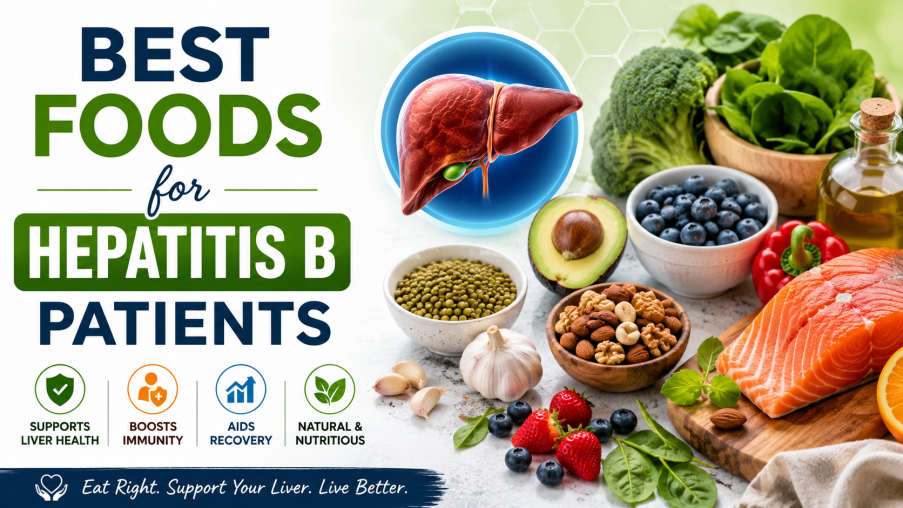
Fruits and vegetables are some of the most liver-friendly foods available, largely because of their antioxidant content, which helps protect liver cells from oxidative stress. Leafy greens such as spinach, kale, and collard greens provide fiber along with vitamins that support the body’s natural detox processes. Cruciferous vegetables, including broccoli, cauliflower, and Brussels sprouts, contain compounds that have been associated with supporting the liver’s detoxification pathways.
Fruits like berries, apples, oranges, and papaya offer vitamin C and other antioxidants that support immune function, which matters since the immune system plays a direct role in how the body manages a chronic viral infection. Aim to fill a generous portion of your plate with a variety of colorful fruits and vegetables at most meals.
Whole Grains
Whole grains such as brown rice, oats, quinoa, and barley are a better choice than refined carbohydrates like white bread or pastries. They provide steady energy, fiber that supports digestion, and B vitamins involved in metabolism. Because hepatitis B can sometimes affect how the body manages blood sugar, whole grains’ slower release of energy can be particularly helpful compared to refined, sugar-heavy alternatives.
Lean Proteins
Protein is essential for repairing liver cells and maintaining muscle mass, which can be affected in people with chronic liver conditions. Good sources include:
- Fish, particularly fatty fish like salmon, sardines, and mackerel, which also provide omega-3 fatty acids
- Skinless poultry
- Eggs
- Tofu and other soy-based proteins
- Legumes such as lentils, chickpeas, and beans
Lean proteins are generally easier on the liver than fatty or heavily processed meats, since they don’t add the same burden of saturated fat. Plant-based proteins in particular come with the added benefit of fiber, which red meat and processed meats lack.
Healthy Fats
Not all fats place the same demand on the liver. Unsaturated fats found in olive oil, avocados, nuts, and seeds are generally easier to process and may help reduce inflammation. Omega-3 fatty acids, found in fatty fish and certain seeds like flaxseed and chia, have also been associated with helping prevent fat buildup in liver cells, which is important since fatty liver can compound the strain already placed on the organ by hepatitis B.
In contrast, saturated and trans fats, found in fried foods, fatty cuts of meat, and many packaged snacks, tend to be harder on the liver and are worth limiting.
Staying Hydrated
Water plays a quiet but important role in supporting liver function by helping the body flush out waste products. Aiming for consistent hydration throughout the day, rather than relying on sugary drinks, supports overall health without adding the extra sugar load that sodas and sweetened juices carry. Herbal teas can be a good addition for variety, though it’s worth discussing any new herbal products with a healthcare provider first, since not all herbal substances are liver-safe.
Foods and Habits to Limit
Just as important as knowing what to include is understanding what to scale back on. Foods that tend to place extra strain on the liver include:
- Highly processed foods, which are often high in unhealthy fats, sodium, and additives
- Sugary foods and drinks, including sodas, sweetened juices, and baked goods, which can contribute to fat buildup in the liver
- Fried foods, which are typically high in unhealthy fats
- Excess red and fatty meats
- Raw or undercooked shellfish, which can carry additional infection risks for people with liver conditions
- Alcohol, which directly burdens the liver and can accelerate damage when combined with a chronic infection like hepatitis B
It’s also worth being cautious about moldy nuts, grains, or maize, since certain molds can produce toxins linked to liver harm. Always inspect these foods before eating and store them in dry conditions.
A Note on Supplements and Herbal Remedies
Many people are tempted to turn to supplements or herbal remedies when managing a chronic condition. However, not all supplements are safe for the liver, and some can interact with prescribed hepatitis B medications or place additional burden on liver function. It’s important to talk to a healthcare provider before starting any new supplement, herbal product, or significant dietary change, especially if you’re currently on antiviral treatment.
Building a Simple, Sustainable Routine
Rather than aiming for a rigid or complicated meal plan, most healthcare providers recommend a balanced, varied diet built around whole foods. A helpful way to think about each meal is dividing your plate roughly into:
- Half filled with vegetables and fruits
- A quarter filled with whole grains
- A quarter filled with lean protein
Eating smaller, more frequent meals throughout the day can also help if fatigue or reduced appetite, common with hepatitis B, makes large meals difficult to manage.
Final Thoughts
While there’s no single diet that cures hepatitis B, the food choices you make every day genuinely matter for supporting your liver and overall wellbeing. Leaning toward fresh fruits and vegetables, whole grains, lean proteins, and healthy fats, while limiting processed foods, added sugar, and alcohol, gives your liver the best chance to function well alongside any medical treatment you’re receiving. Since individual needs can vary depending on liver health and other medical factors, it’s always best to work with a healthcare provider or registered dietitian to fine-tune a plan that fits your specific situation.
This article is for general informational purposes only and does not substitute professional medical or nutritional advice. Always consult a qualified healthcare provider before making significant changes to your diet, especially if you are managing a chronic health condition.