 Written by
 The liver is one of the hardest-working organs in the human body. It filters toxins from the blood, helps digest fats, stores energy, and supports immune function around the clock. Because it carries out so many essential jobs quietly in the background, most people never think about their liver until something goes wrong. The challenge is that liver damage often develops gradually and silently, with few obvious signs until a significant portion of liver tissue has already been affected.
Recognizing the early, subtle signals your body sends can make a real difference. Catching liver problems early often means the damage can be slowed, managed, or in some cases reversed, while waiting too long can allow the condition to progress to something far more serious. This article walks through the early warning signs adults should watch for, why they happen, and when it’s time to seek medical care.
Why Early Signs Are Easy to Miss
One of the liver’s most remarkable features is its ability to keep functioning even when a large portion of it is damaged. This resilience is helpful for survival, but it also means symptoms frequently don’t appear until the organ is already under considerable strain. Many early signs of liver trouble are vague and easily blamed on stress, poor sleep, or a busy lifestyle, which is exactly why they tend to get overlooked.
Understanding what these early signs actually look like can help you take them seriously instead of dismissing them.
Persistent Fatigue and Low Energy
Unexplained tiredness that doesn’t improve with rest is one of the most common early indicators of liver strain. When the liver struggles to filter toxins effectively, those substances can build up in the bloodstream, leaving you feeling drained, sluggish, or mentally foggy. This fatigue tends to be persistent rather than occasional, lasting for weeks rather than clearing up after a good night’s sleep.
Loss of Appetite and Unexplained Weight Changes
A declining liver can interfere with normal digestion and metabolism, often leading to reduced appetite. Some people notice food seems less appealing than usual, while others experience gradual, unintended weight loss without any change in diet or activity level. Because the liver plays a role in processing nutrients, this disruption can ripple through your overall sense of wellbeing.
Nausea and Digestive Discomfort
Mild, recurring nausea, occasional vomiting, or general digestive discomfort can be early signals that the liver isn’t processing toxins and waste products as efficiently as it should. This is often accompanied by bloating or a general feeling of fullness, even after small meals.
Discomfort in the Upper Right Abdomen
The liver sits just beneath the rib cage on the right side of the body. Mild aching, tenderness, or a feeling of fullness in this area can indicate liver inflammation or enlargement. This discomfort is often dull rather than sharp, which is part of why it’s frequently mistaken for general stomach upset.
Skin and Eye Changes
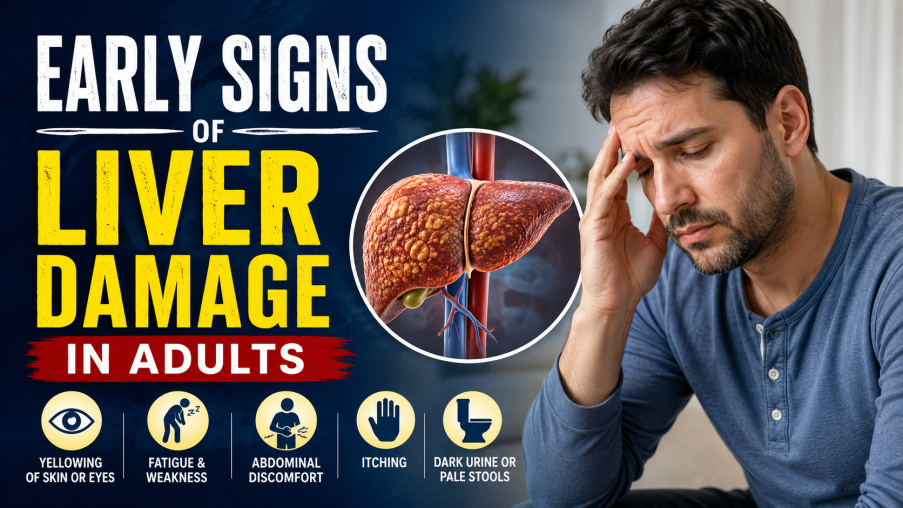
One of the more recognizable signs of liver trouble, though it typically appears once damage has progressed somewhat further, is jaundice, a yellowish tint to the skin and the whites of the eyes. This happens when the liver can no longer properly process bilirubin, a pigment produced during the normal breakdown of red blood cells. Even subtle yellowing should prompt a visit to a healthcare provider, since it usually signals that the liver needs attention.
Persistent itchy skin, without any rash or obvious cause, can also occur in the earlier stages, caused by the buildup of bile-related substances under the skin.
Changes in Urine and Stool Color
Darker-than-usual urine, even when you’re drinking enough water, can be an early indicator of impaired bile processing. Similarly, pale or clay-colored stool can suggest that bile isn’t flowing properly through the digestive system. These changes are easy to overlook but are worth paying attention to, especially when they appear alongside fatigue or digestive discomfort.
Easy Bruising or Bleeding
The liver produces proteins responsible for blood clotting. When liver function starts to decline, this process can be disrupted, leading to bruises that appear easily from minor bumps, nosebleeds, or bleeding gums that take longer than usual to stop. While there are many possible explanations for easy bruising, persistent or unexplained bruising alongside other symptoms on this list deserves medical evaluation.
Swelling in the Legs, Ankles, or Abdomen
As liver function declines, the body may struggle to produce enough albumin, a protein that helps keep fluid properly balanced within blood vessels. This can lead to fluid retention, often noticeable as swelling in the lower legs and ankles, or in more advanced cases, abdominal swelling caused by fluid buildup.
Mental Fog and Difficulty Concentrating
A lesser-known but important sign is mild confusion, forgetfulness, or trouble focusing. When the liver isn’t filtering toxins effectively, substances like ammonia can build up in the bloodstream and affect brain function. In early stages, this may feel like simple mental fatigue, but it’s worth mentioning to a doctor, particularly if it’s a new or worsening pattern.
Who Should Pay Closer Attention
Certain groups carry a higher risk of developing liver problems and should be especially attentive to these early signs:
- People who consume alcohol regularly or in large quantities
- Individuals who are overweight or living with diabetes
- People with viral hepatitis or a family history of liver disease
- Anyone taking medications known to affect liver function over long periods
- Individuals with a history of unsafe exposure to certain chemicals or toxins
What to Do If You Notice These Signs
If you notice one or more of these symptoms, particularly if they persist for more than a couple of weeks or appear in combination, it’s worth scheduling an appointment with a healthcare provider. A simple blood test, known as a liver function test, can measure enzyme levels and other markers that indicate how well your liver is working. Depending on the results, your doctor may recommend further imaging or additional tests to understand what’s happening.
The earlier liver issues are identified, the more treatment options tend to be available, ranging from lifestyle adjustments to targeted medical care.
Protecting Your Liver Going Forward
Many forms of liver damage are preventable or manageable with consistent habits, including:
- Limiting alcohol consumption
- Maintaining a healthy weight through balanced nutrition and regular movement
- Staying up to date on hepatitis vaccinations where applicable
- Using medications, including over-the-counter ones, only as directed
- Routine check-ups, especially if you fall into a higher-risk group
Final Thoughts
Liver damage often develops quietly, with early symptoms that are easy to dismiss as everyday tiredness or minor digestive trouble. Paying attention to persistent fatigue, changes in skin or eye color, shifts in urine or stool color, unexplained bruising, and abdominal discomfort can help you catch problems while they’re still manageable. If anything on this list sounds familiar and ongoing, don’t wait for symptoms to worsen. A conversation with a healthcare provider and a simple set of tests can offer real clarity and put you on the right path forward.
This article is for general informational purposes only and does not substitute professional medical advice, diagnosis, or treatment. Always consult a qualified healthcare provider regarding any medical condition.